

Choosing your career path can feel exciting and overwhelming at the same time. With so many options available, you might be wondering whether law is a good career choice in 2026. If you enjoy critical thinking, debating, solving problems, and helping people, law could be a rewarding and impactful path for you.
In this article, we will explore what makes law a promising career in 2026, what opportunities it offers, and how you can succeed as a law student. Let’s dive in.
Law is a dynamic and evolving field that shapes society, protects rights, and resolves conflicts. Studying law equips you with skills like logical reasoning, research, communication, and ethical judgment. These skills are valuable not just in legal professions but in business, government, policy, and more.
Law is not just about becoming a lawyer in court; it opens doors to many exciting professions where you can make a difference.
When you choose law, you are not limited to one career path. Many students do not realise the variety of options available.
If you love arguing, presenting cases, and defending clients, litigation can be a fulfilling path. Advocacy helps you develop confidence, public speaking skills, and a deep understanding of laws.
Businesses need lawyers to help with contracts, compliance, mergers, and intellectual property. Corporate lawyers are in demand in law firms, startups, and multinational companies.
If you are passionate about justice and public service, preparing for judicial exams to become a judge can be a noble goal.
If you enjoy reading and writing, careers in legal research, policy analysis, or teaching law are excellent options. You can influence change through ideas and education.
Lawmaking, governance, and public policy are exciting fields where law graduates contribute to national and social development.
There are emerging roles like compliance officer, legal content writer, mediator, legal analyst, and roles in NGOs focusing on human rights and social justice.
The demand for legal professionals in India is growing. With increasing business activities, startups, digital transformation, and regulatory reforms, companies need lawyers like never before. Courts are continuously handling more cases, which means advocates and legal experts will be needed for years to come.
More than just judges and lawyers, law graduates are being hired for roles in corporate houses, consulting firms, compliance teams, and even technology companies.
Lawyers with additional skills in technology, research, and management are especially valuable. Graduates who know about legal tech, data privacy laws, and cyber law may have an edge.
To succeed as a future lawyer or legal professional, you should build a combination of academic strengths and soft skills.
You should aim to strengthen:
As you prepare for CLAT or other entrance exams, working on these skills early will help you in law school and beyond.
Earning potential in law varies depending on career path, experience, and skills. Top advocates, corporate lawyers, and legal advisors often earn competitive salaries. However, when you start your career, the initial income may be modest compared to other professions like engineering or business management.
Over time, as you gain experience and reputation, your career growth can be significant. Many graduates also choose to specialise in high-growth areas like intellectual property, technology law, and international law, which can offer excellent remuneration.
Money is important but not everything. Law offers intangible rewards like respect, influence, and the satisfaction of protecting rights and delivering justice.
Law entrance exams such as CLAT are competitive. To succeed:
Law school involves extensive reading and case studies. You can manage this by:
Some students are unsure which law path to choose. To deal with this:
Remember, challenges are opportunities to grow your skills and resilience.
Getting into a good law college is an important step toward a successful law career. Here are strategies to prepare effectively:
Law entrance exams test areas like:
You should map the pattern and weightage to plan your study.
Mocks help you track progress, improve accuracy, and manage time. Work with quality study material and review mistakes carefully.
Being aware of national and international news aids not only in scoring better but also builds your understanding of real-world issues.
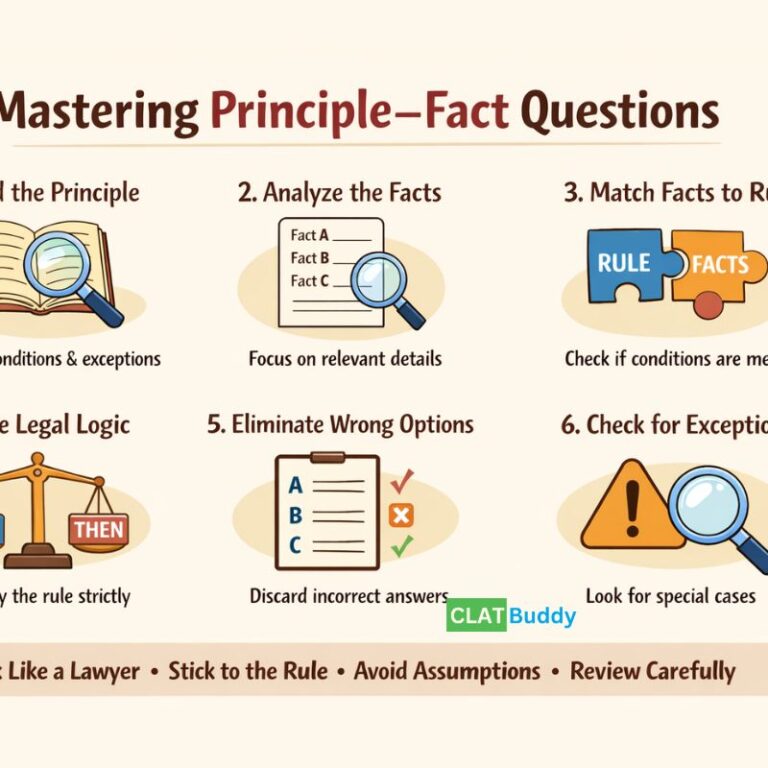
This section measures your interest in law and your ability to apply legal reasoning. Read basic legal concepts and practice legal reasoning questions regularly.
Choosing law is not just about job opportunities. It is also about how well this field aligns with what you enjoy and your long-term goals.
You should ask yourself:
If most of your answers are “yes,” law could be a fulfilling and meaningful career choice for you.
Yes, law can be a good career choice in 2026, especially if you are passionate about justice, enjoy logical thinking, and are willing to work hard. The field offers diverse opportunities, growing demand, and meaningful work that impacts society.
Choosing law will challenge you, but it can also empower you to shape your future and contribute to the world around you. If you are ready to commit to the journey, law could be one of the most rewarding career choices you can make.