
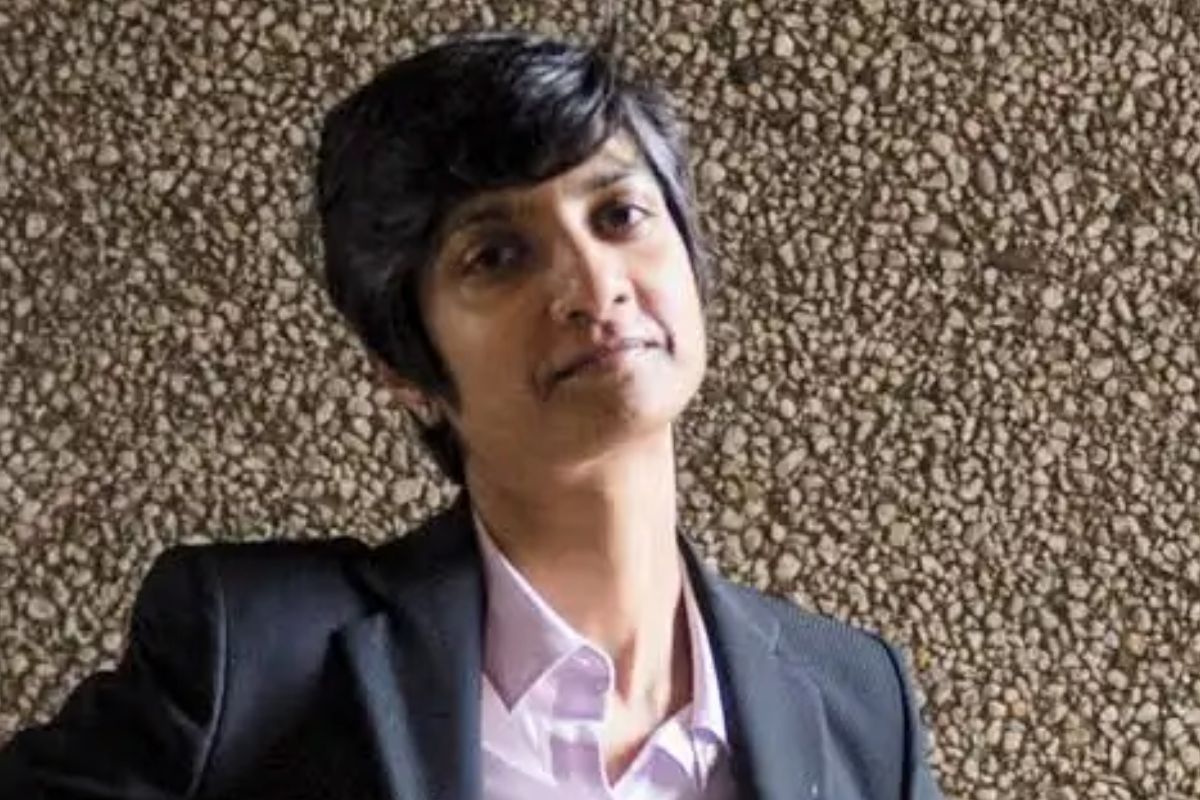
Senior Advocate Menaka Guruswamy has been elected to the Rajya Sabha from West Bengal, becoming India’s first openly queer Member of Parliament. She was fielded by the Trinamool Congress (TMC) and was elected unopposed on March 9, marking a historic moment for representation of the LGBTQ+ community in Indian politics.
Guruswamy is widely known for her role in the landmark constitutional challenge that led to the decriminalisation of homosexuality in India. She was part of the legal team that argued before the Supreme Court in 2018 against Section 377 of the Indian Penal Code, a colonial-era provision that criminalised consensual same-sex relations since 1861. Appearing before a five-judge Constitution Bench, Guruswamy famously argued that the love and identity of LGBTQ+ persons deserved constitutional recognition and protection. The Court eventually struck down the provision to the extent it criminalised consensual relationships between adults.
Her election to Parliament has drawn significant public attention because it symbolises a shift from courtroom advocacy to legislative participation. Many observers believe that her presence in the Rajya Sabha could influence discussions around LGBTQ+ rights, equality and broader constitutional values.
Guruswamy has had a diverse legal career. Apart from constitutional litigation, she has appeared in several politically significant matters and has represented different institutions, including the West Bengal government and organisations associated with the RSS in certain cases. This broad professional background has raised interesting questions about how she may navigate her new political role.
Educated at prestigious institutions such as Oxford and Harvard, Guruswamy has built a reputation as one of India’s prominent constitutional lawyers. Following the Section 377 judgment, she and fellow lawyer Arundhati Katju publicly acknowledged their relationship, becoming visible voices for queer rights in India.
Along with Guruswamy, other candidates including Babul Supriyo, Rajeev Kumar, Koel Mallick from TMC and Rahul Sinha from the BJP were also elected unopposed to the Rajya Sabha from West Bengal. Guruswamy recently appeared for the TMC in proceedings challenging Enforcement Directorate searches at the offices of political consultancy firm I-PAC.
Her entry into Parliament marks a significant moment in India’s evolving democratic and social landscape.