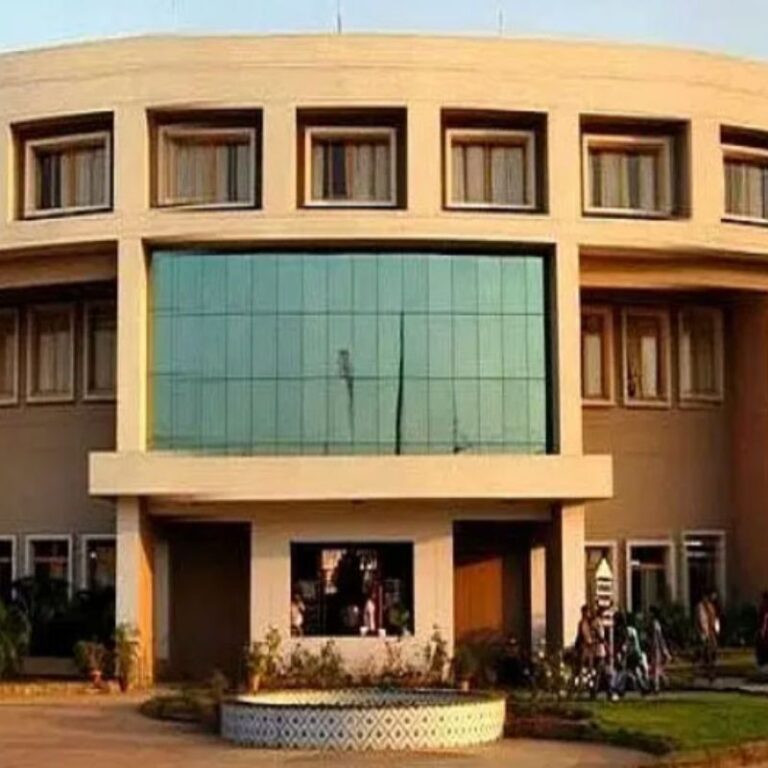
Are you planning to become a lawyer? If yes, then choosing the right college is very important. In this article, we will talk about UPES School of Law, Dehradun, one of the popular private law schools in India. I will explain everything in simple language so you can easily understand — whether this college is good for you or not.
About UPES School of Law
UPES School of Law is part of University of Petroleum and Energy Studies (UPES). It is located in Dehradun, Uttarakhand — a clean and peaceful city surrounded by hills.
Although UPES is mainly known for engineering and management, its law school is growing fast. The college focuses a lot on practical learning, skills, and real‑world training.
Why Students Choose UPES Law
Many students choose UPES School of Law because:
- The college gives lots of practical training — like moot courts, legal drafting, debates, etc.
- It has industry‑oriented courses — students learn about technology law, corporate law, and new areas.
- It is good for students who want internships and real legal exposure early.
- The city (Dehradun) is safe and good for studies.
This college is a private university law school — it is not an NLU (National Law University). So cut‑offs are generally lower than NLUs, and the fees are higher than most government law colleges.
Courses Offered (Only 5‑Year Law Program)
At UPES School of Law, the main course for students like you (16–18 years) is:
BA LL.B (Hons.)
- This is a 5‑year undergraduate law program.
- You study Arts subjects + Law subjects together.
- After 5 years, you become eligible to practice as a lawyer (after enrolling with Bar Council of India).
BBA LL.B (Hons.)
- This is another 5‑year law program but with more focus on business and management subjects.
- Good if you want to combine law with business skills.
Both courses are equally good for students who aim to become lawyers. You can choose BA LL.B if you like humanities and society subjects. Choose BBA LL.B if you like business and corporate topics.
How to Get Admission
Admission to the 5‑year law course at UPES is mainly through:
CLAT Score
- UPES accepts your score from the CLAT exam.
- CLAT is the main entrance exam for law colleges in India.
UPES Law Entrance / Merit
- If your CLAT score is not high, you can also get admission based on UPES’s own entrance test or your class 12 marks.
So even if your CLAT score is not very high, you still have a good chance to get into UPES.
Eligibility Criteria
To apply for the 5‑year law course:
- You should have passed Class 12 (10+2) from a recognised board.
- Minimum 50% marks in Class 12.
- You must be at least 17 years old on or before December 31 of the admission year.
Campus Life & Infrastructure
UPES campus in Dehradun is known for:
- Modern buildings and classrooms
- Moot court halls where students practice law
- Well‑stocked library for law books and journals
- Computer labs, legal research labs, ADR lab, etc.
- Peaceful environment — good for studying and living
Students here get a chance to participate in moot courts, seminars, debates, and internships. These activities help you build confidence and skills needed for a legal career.
Internships & Practical Training
UPES gives a lot of importance to real legal work. During the 5 years:
- You will do internships with law firms, courts, companies, NGOs.
- College organizes moot court competitions where you argue cases like real lawyers.
- You will learn legal drafting, research, negotiation, and advocacy skills.
These things are very important if you want to become a successful lawyer.
Placements
Placements mean getting job offers from companies or law firms after your degree.
At UPES:
- Some students get jobs with law firms, companies, consultancy firms.
- Highest packages reported are decent (good for private law college), but average packages may vary every year.
Remember: Law placements depend a lot on your performance, skills, internships, and networking. If you work hard and participate in activities, your chances of getting good jobs increase.
What’s Good About UPES Law
- Focus on practical learning
- Lots of internships chance
- Good infrastructure
- Safe environment for students
- Option to enter even with moderate CLAT rank
What’s Not So Good
- Fees are very high compared to many other colleges
- Not as famous as NLUs (like NLU Delhi, NLSIU Bangalore)
- Average placement packages vary — not consistent top offers
Who Should Consider UPES Law?
- If you want a good private law college after 12th.
- If your CLAT rank is good but not enough for NLUs.
- If you want practical training and internships.
- If you can afford the fees or get scholarships.
Who Should Think Again Before Joining?
- If budget is a big issue.
- If you want top 10 NLU only.
- If you do not like practical training and want only theory.
Final Thoughts
UPES School of Law is a good private law college with lots of practical exposure. If your CLAT rank is not enough for NLUs but still good, UPES can be a smart choice.
Remember: Choosing law college is not only about name — it’s about how much you learn and how hard you work.
Calling all law aspirants!
Are you
exhausted from constantly searching for study materials and question banks?
Worry not!
With over
15,000 students already engaged, you definitely don't want to be left out.
Become a member of the most vibrant law aspirants community out there!
It’s
FREE! Hurry!
Join our
WhatsApp Groups (
Click Here) and
Telegram Channel (Click Here) today, and receive instant notifications.