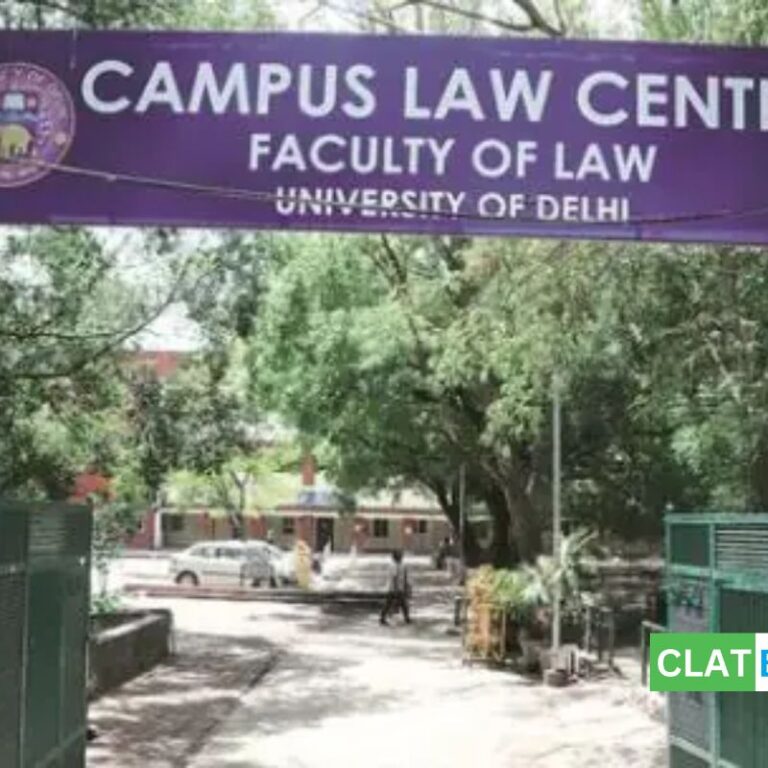


Law School Spotlight | Law Centre-I, University of Delhi, Delhi
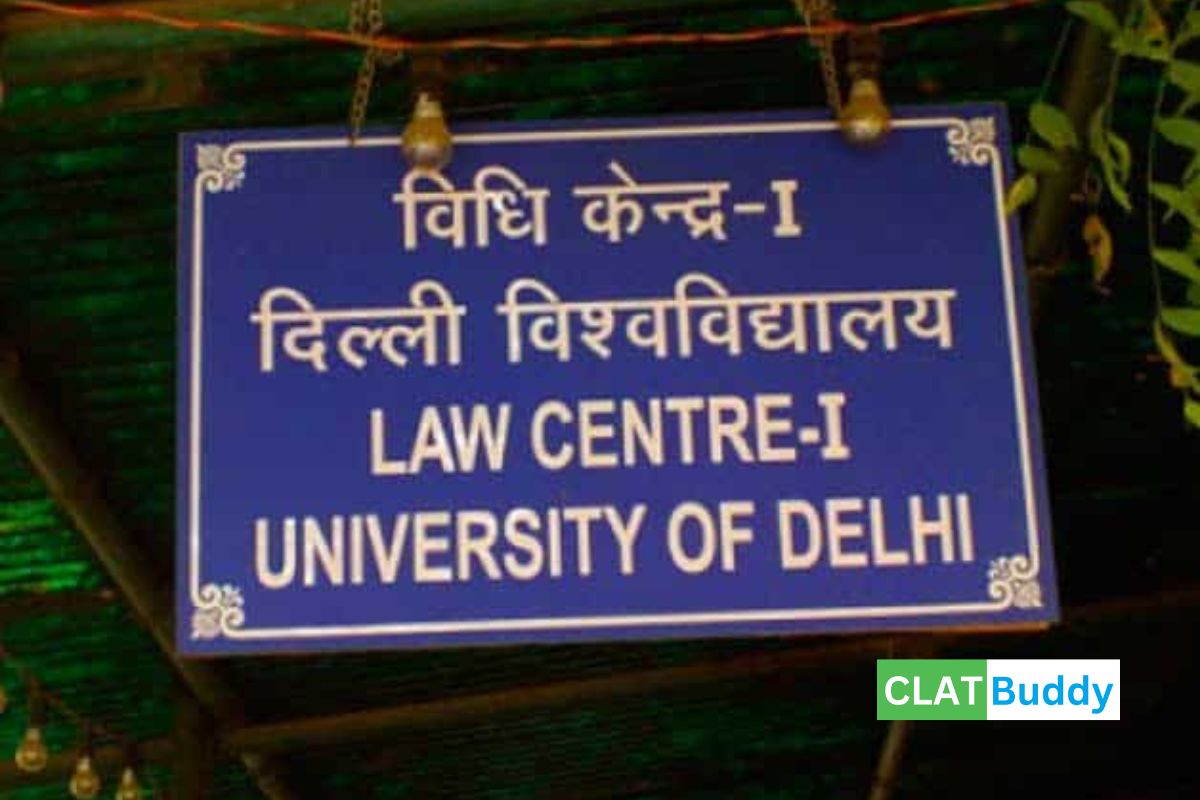
Choosing a law college is a big decision, especially when someone is planning to spend the next five years studying law. Many students preparing for CLAT and other law entrance exams often look at Delhi University because of its reputation, affordable fees, and strong legal environment. One such college is Law Centre-I, University of Delhi.
Although Law Centre-I is mainly known for its 3-year LL.B. programme, many students still search about it while exploring top law institutions in India. Understanding how this institution works can help students get a better picture of the legal education ecosystem at Delhi University.
About Law Centre-I, University of Delhi
Law Centre-I is one of the three law centres functioning under the Faculty of Law at the University of Delhi. It was established in 1970 and has built a strong reputation in legal education over the years.
The college operates from the North Campus of Delhi University, which itself is considered one of the most vibrant student areas in India. Students studying here get exposure not only to academics but also to debates, seminars, legal aid activities, competitions, internships, and interaction with students from different courses.
One important thing students must clearly understand is that Law Centre-I does not offer a 5-year integrated law course like BA LL.B. or BBA LL.B. Instead, it offers a 3-year LL.B. course after graduation.
Still, many CLAT aspirants search about this institution because of the overall prestige associated with Delhi University’s law faculty.
Does Law Centre-I Offer a 5-Year Integrated Law Course?
No, Law Centre-I does not offer a 5-year integrated law programme.
Students who want to study here first need to complete their graduation in any stream such as:
- BA
- BCom
- BSc
- BBA
- Any other recognised undergraduate course
After graduation, students can apply for the 3-year LL.B. programme offered by the Faculty of Law, University of Delhi.
For students who specifically want to pursue law immediately after Class 12, National Law Universities (NLUs) and other private law schools offering integrated programmes may be more suitable.
However, students interested in the traditional Delhi University law environment often keep Law Centre-I as a future option after graduation.
Why Students Still Talk About Law Centre-I
Even though it is not a 5-year law college, Law Centre-I is still widely respected among law aspirants and lawyers in India. There are several reasons behind its popularity.
Strong Reputation in Legal Education
Delhi University’s Faculty of Law has produced many judges, senior advocates, politicians, civil servants, and legal scholars. Because Law Centre-I functions under this system, students benefit from its long-standing reputation.
The college is especially respected in litigation circles.
Affordable Fees
One of the biggest advantages of studying law at Delhi University is affordability. Compared to many private law colleges charging lakhs of rupees every year, the fees here are very low.
This makes legal education accessible to students from different financial backgrounds.
Delhi Advantage
Being located in Delhi gives students huge exposure. Students can explore:
- Supreme Court of India
- Delhi High Court
- Law firms
- Legal NGOs
- Policy organisations
- Government departments
- Think tanks
Many students start internships very early because of the college’s location.
Active Student Environment
The North Campus atmosphere is energetic and student-friendly. Students participate in:
- Moot court competitions
- Debates
- Seminars
- Cultural festivals
- Legal aid camps
- Research activities
This overall environment helps students grow personally and professionally.
Admission Process
Admission to the LL.B. programme under Delhi University is entrance-based.
In recent years, admissions have been linked with national-level entrance processes. Students should regularly check the official Delhi University Faculty of Law website for updated admission details.
Generally, students are selected based on:
- Entrance examination performance
- Eligibility criteria
- Reservation policies
- Counselling process
Students should also keep track of:
- Application dates
- Admit card release
- Merit lists
- Counselling rounds
Eligibility Criteria
To apply for the LL.B. programme at Law Centre-I, students must:
- Complete graduation from a recognised university
- Secure the minimum required marks as prescribed by the university
- Meet category-specific requirements if applicable
There is usually no restriction regarding graduation stream, which means students from arts, commerce, science, engineering, and other fields can apply.
Campus Life at Law Centre-I
Campus life is one of the most attractive parts of studying at Delhi University.
Students studying at Law Centre-I often experience:
- Diverse peer groups
- Academic discussions
- Internship opportunities
- Competitive environment
- Exposure to legal professionals
The college also benefits from the larger Delhi University ecosystem. Students can explore libraries, student societies, sports events, and university festivals happening across the campus.
The law faculty area remains busy with seminars and legal discussions throughout the year.
Internship Opportunities
Delhi provides excellent internship opportunities for law students.
Students often intern with:
- Advocates
- Law firms
- NGOs
- Legal journalists
- Corporate legal departments
- Courts and commissions
Because courts and legal institutions are nearby, students can gain practical exposure more easily compared to many other cities.
This practical experience becomes extremely useful during placements and future career growth.
Career Opportunities After Studying Here
Students graduating from Delhi University’s law faculty explore different career paths such as:
- Litigation
- Judiciary preparation
- Corporate law
- Legal journalism
- Civil services
- Academia
- Legal research
- Policy work
Many students also prepare for:
- Judicial services examinations
- UPSC
- Higher legal studies like LL.M.
The brand value of Delhi University can also help students during networking and career building.
Things Students Should Keep in Mind
Before planning for Law Centre-I, students should remember:
- It is not a 5-year integrated law college
- Students need graduation first
- Competition for admission is high
- The academic environment can be demanding
- Internships and networking play a major role in career growth
Students who want to start law directly after Class 12 should primarily focus on integrated law colleges through CLAT and other entrance exams.
Final Thoughts
Law Centre-I, University of Delhi remains one of the well-known names in Indian legal education. While it does not offer a 5-year integrated law programme for Class 12 students, it continues to attract thousands of law aspirants because of its reputation, affordability, location, and exposure.
For students planning long-term legal careers, especially those interested in litigation and traditional legal practice, Delhi University’s law ecosystem can offer valuable opportunities. Understanding colleges like Law Centre-I also helps CLAT aspirants get a broader picture of legal education options available in India.
Calling all law aspirants!
Are you exhausted from constantly searching for study materials and question banks? Worry not!
With over 15,000 students already engaged, you definitely don't want to be left out.
Become a member of the most vibrant law aspirants community out there!
It’s FREE! Hurry!
Join our WhatsApp Groups (Click Here) and Telegram Channel (Click Here) today, and receive instant notifications.